
 Nuevo Vallarta, Nayarit, México.
 WhatsApp
 Messenger
What Is Day of the Dead?
 Days remaining to vote
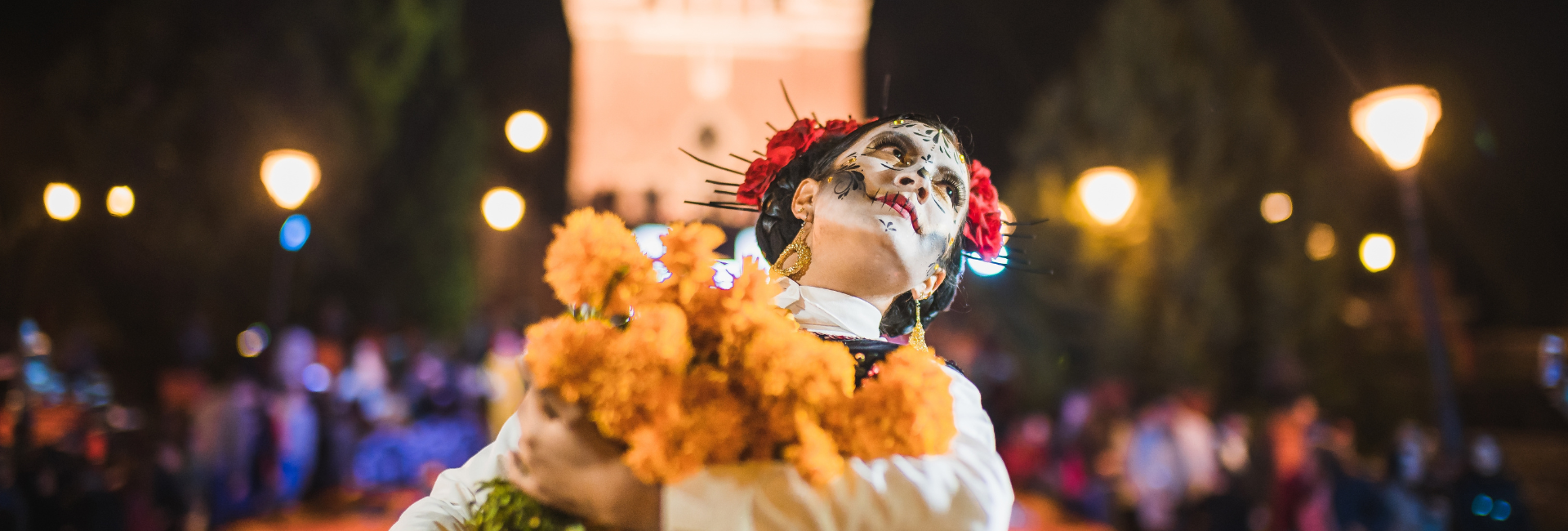
Every year, Mexico comes alive with colorful flowers, beautifully decorated altars, traditional foods, and heartfelt celebrations honoring loved ones who have passed away. This meaningful tradition is known as Día de los Muertos, or Day of the Dead, one of Mexico's most recognized cultural celebrations.
But what is Day of the Dead, and why is it so important to Mexican culture? From its origins to its most iconic symbols, here's everything travelers should know about this fascinating tradition.
What Is Day of the Dead in Mexico?
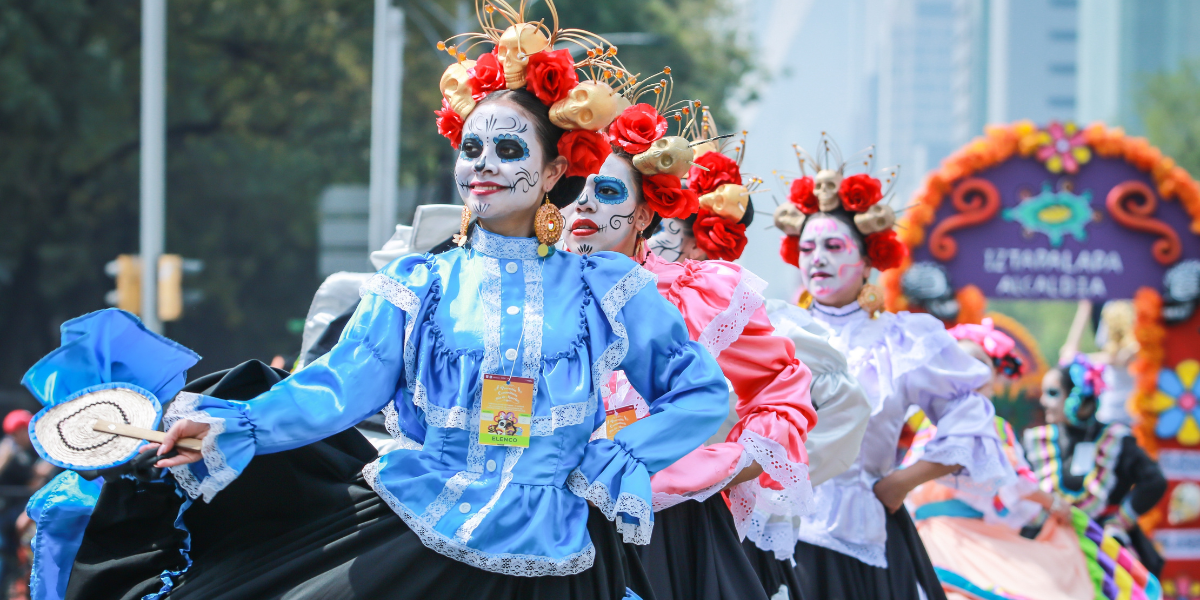
Day of the Dead in Mexico is a traditional celebration dedicated to remembering and honoring deceased family members and friends. Rather than focusing exclusively on sadness, it celebrates life, memory, and the lasting connection between generations.
Families believe that during this special time, the souls of their departed loved ones can symbolically return to visit the living.
The Day of the Dead meaning centers on remembrance, love, and the belief that those who have passed away remain present through memories and family traditions.
What Is the Origin of Day of the Dead?
The origins of Día de los Muertos reflect a blend of Indigenous Mexican traditions and Catholic influences introduced during the Spanish colonial period.
Ancient Indigenous civilizations, including the Mexica, practiced rituals honoring the dead and viewed death as part of life's natural cycle.
Over time, these beliefs became intertwined with the Catholic observances of All Saints' Day and All Souls' Day, creating the traditions celebrated across Mexico today.
Although customs vary by region, the celebration remains an important expression of Mexican cultural identity.
When Is Day of the Dead Celebrated?
Día de los Muertos is primarily celebrated on November 1 and 2, although preparations and local festivities may begin in late October.
- November 1: Commonly associated with remembering deceased children, often called Día de los Angelitos.
- November 2: Traditionally dedicated to honoring deceased adults and observing All Souls' Day.
During these dates, families gather to prepare offerings, visit cemeteries, share traditional meals, and remember their loved ones.
What Do Day of the Dead Altars Represent?
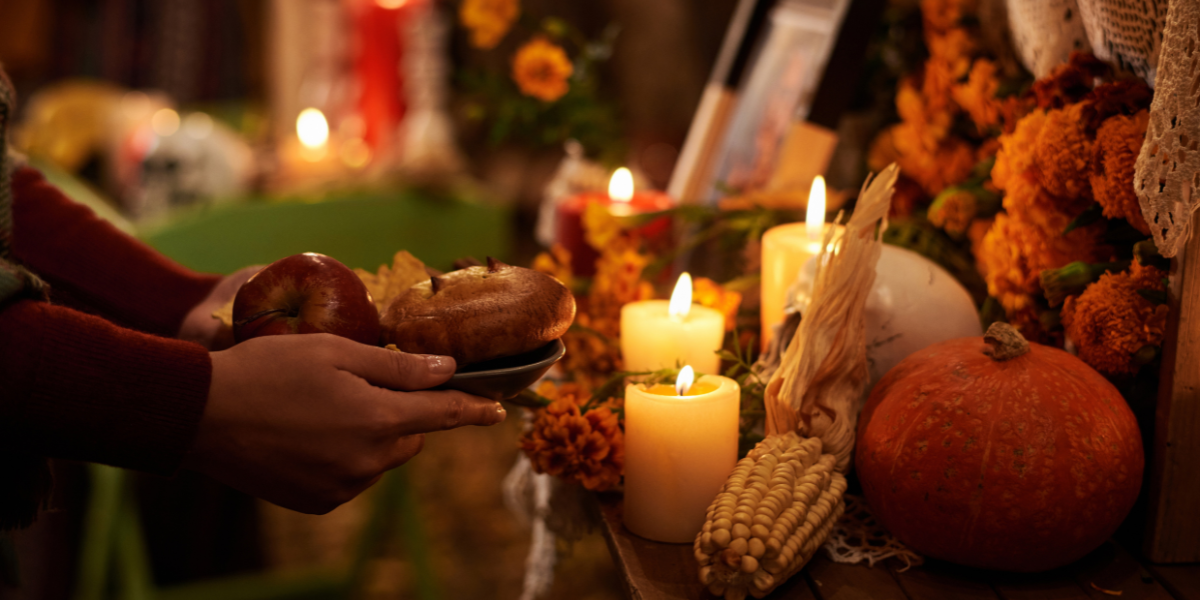
One of the most important Day of the Dead traditions is creating an ofrenda, or altar, dedicated to departed loved ones.
These altars are usually decorated with photographs, candles, flowers, favorite foods, drinks, and personal belongings.
Each element carries a symbolic meaning:
- Photographs: Honor and remember the deceased.
- Candles: Represent light and symbolically guide spirits as they return.
- Water: Traditionally offered to refresh spirits after their journey.
- Food and drinks: Welcome loved ones with their favorite flavors.
- Papel picado: Colorful paper decorations that often symbolize the wind and the fragility of life.
Ofrendas are expressions of love and remembrance, rather than objects of worship.
What Do Marigolds and Sugar Skulls Symbolize?
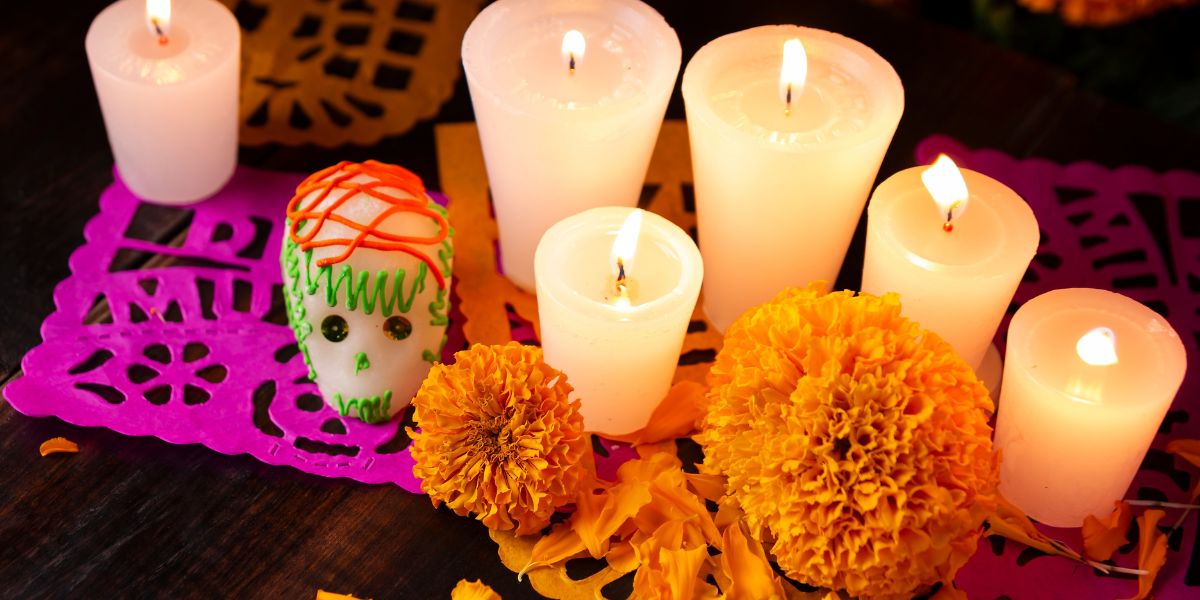
Two of the most recognizable symbols of Día de los Muertos are marigold flowers and sugar skulls.
- Marigolds: Flowers That Guide the Spirits
- The vibrant orange and yellow cempasúchil flowers are closely associated with marigolds and Day of the Dead celebrations. Their bright colors and distinctive fragrance are traditionally believed to help guide spirits toward their families' altars.
- Sugar Skulls: Celebrating Life and Memory
- The sugar skulls meaning reflects the celebration's distinctive relationship with death. Known as calaveritas de azúcar, these decorated skulls often feature colorful designs and names, symbolizing remembrance and the acceptance of mortality as part of life.
How Is Day of the Dead Celebrated in Mexico?
Celebrations vary across the country, but common traditions include decorating graves, creating family altars, preparing pan de muerto, sharing stories, and participating in cultural activities. In destinations such as Michoacán, Oaxaca, and Mexico City, visitors may encounter distinctive regional ceremonies, artistic displays, and community celebrations.
Día de los Muertos is more than a holiday. It is a meaningful expression of love, family, and cultural heritage that connects generations. For travelers exploring Mexico, learning about this tradition offers a deeper appreciation of the country's history, beliefs, and vibrant cultural identity.
RELATED





WEATHER
NUEVO VALLARTA WEATHERRECENT POSTS